

Music lessons are a highlight of the school day for many children. Whether it’s rhythmic drumming, singing together, or experimenting creatively with sounds, music reaches children even where words fall short. It creates space for emotions, creativity, and a sense of community—often long before language can fully express these experiences. Even the youngest children sway to melodies, hum along to their favorite songs, or instinctively reach for anything that produces sound. In doing so, music not only nurtures their emotional expression but also supports their cognitive and social development.
Fortunately, in Chemnitz there are many initiatives that go beyond the standard curriculum. Choirs, student bands, and Orff-based music groups give children the opportunity to explore and develop their abilities. The aim is not only to discover talent, but to make music accessible to everyone—regardless of background, grades, or prior experience.
Music is about connection. It brings people together across boundaries—even where language may not be possible. One example of this is the student exchange within the Kamenica Musica trail project. Two music-loving groups from Johannes-Kepler-Gymnasium in Chemnitz and the Zespół Szkół Muzycznych in Łódź, Poland, rehearsed together for five days in preparation for a concert at the Industrial Museum. Although they were separated by more than 500 kilometers, music brought them together.
A particularly moving moment came when a Polish student began to sing a German folk song—and everyone joined in, regardless of where they came from. Between rehearsals, they shared meals, explored the city, and enjoyed many moments of laughter.
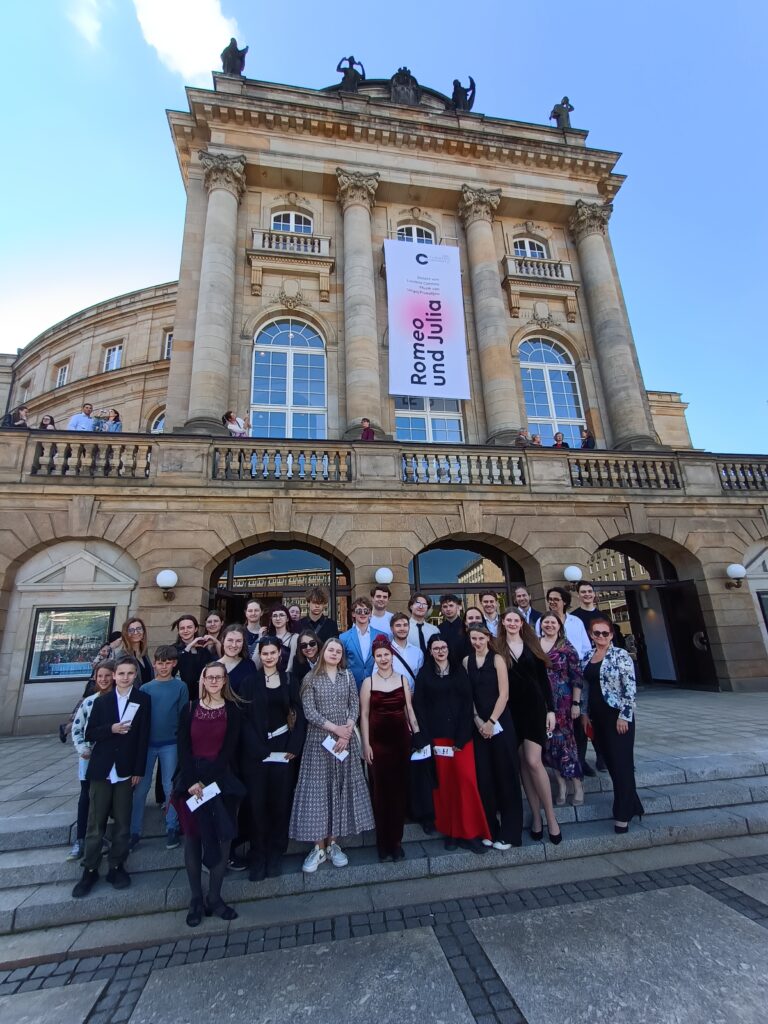
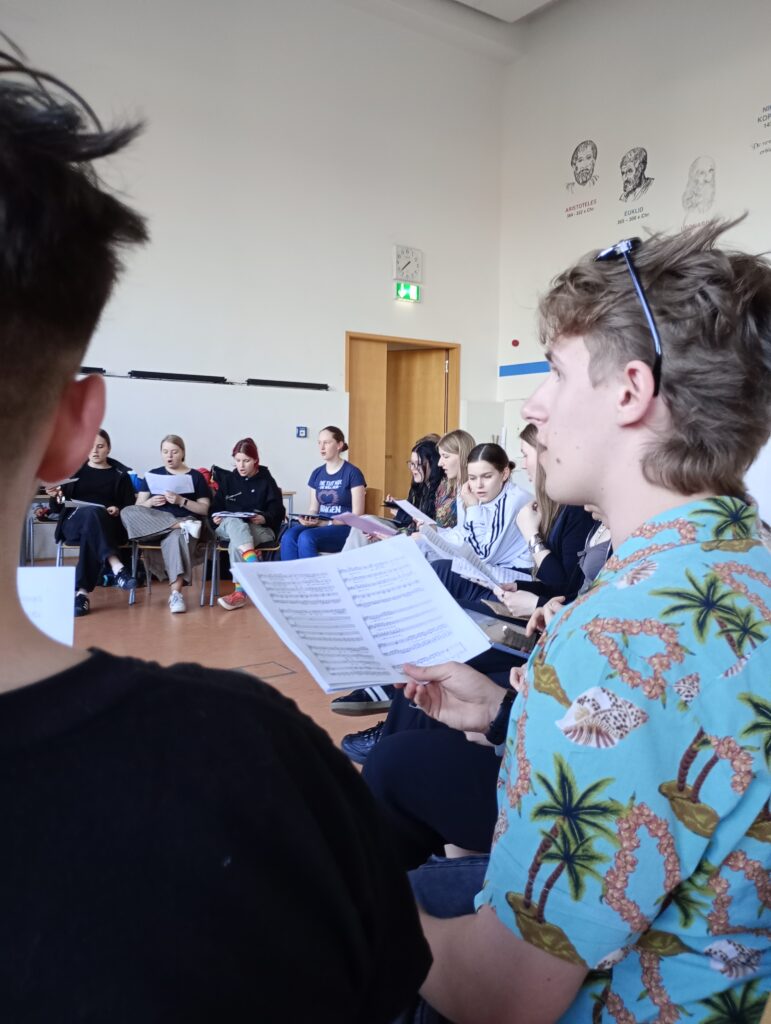
This project clearly demonstrated that music builds bridges—across languages, cultures, and generations. That is why it should not be placed at the margins of the timetable, but at the very heart of school life and community.